
How to judge whether it contains lead in ceramic tableware?
author: Zhengzhou harmony ceramic co.,ltd
2022-09-08
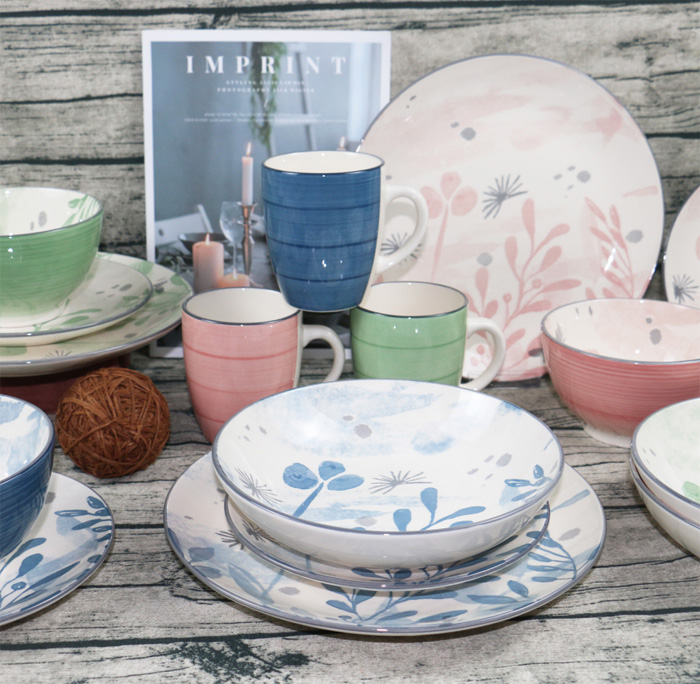
Important safety and health indicators: The migration of lead and cadmium is an important safety and health indicator for food contact ceramic tableware products. GB 4806.4-2016 "National Food Safety Standard - Ceramic Products" stipulates as follows:
At present, the ceramic tableware utensils circulating in the market can be divided into overglaze color, underglaze color, underglaze color, color-glazed porcelain and some uncolored white porcelain.
Because ceramic tableware is decorated in different ways, the possible effects on health are also different. Among them, the content of lead and cadmium in the glaze color, underglaze color and most of the color glaze porcelain and white porcelain is very low.
For on-glaze ceramics, if the amount of pigments containing high lead and cadmium is too large during processing or the temperature and ventilation conditions are not enough during roasting, it is easy to cause excessive lead and cadmium dissolution. Another kind of bone china is white, its porcelain is transparent, the glaze is smooth and smooth, and it is very popular among consumers.
However, this kind of porcelain is difficult to produce, and most of them use high-temperature biscuit firing and low-temperature glaze firing techniques. The glaze is made of low-temperature lead-containing glaze. If the production process is not properly controlled, the possibility of lead dissolution exceeding the standard is also very high.
◆In order to avoid the possible adverse effects of tableware on health, experts remind that people should try their best to choose ceramic tableware with less decorative patterns and bright patterns on the inner wall of glaze and underglaze ceramic utensils and tableware.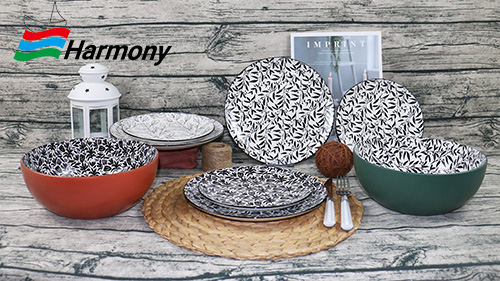
◆Never buy ceramic tableware with patterns that can be wiped off by hand.
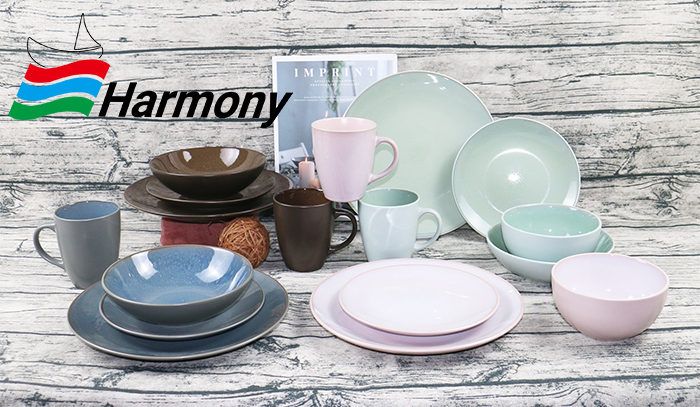
◆For ceramic tableware that are not at ease, soak them in vinegar for two or three hours.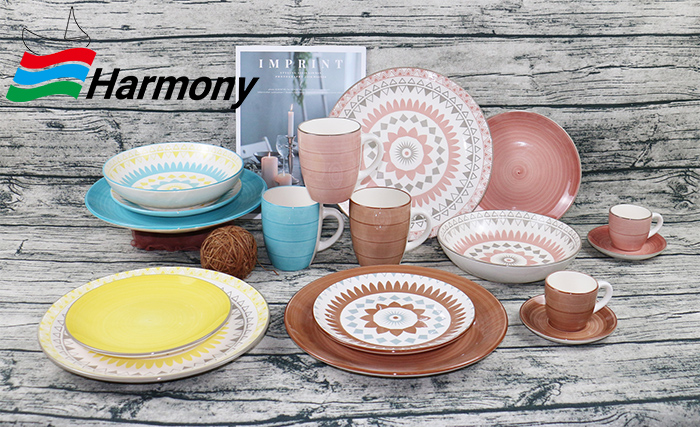
At present, the ceramic tableware utensils circulating in the market can be divided into overglaze color, underglaze color, underglaze color, color-glazed porcelain and some uncolored white porcelain.
Because ceramic tableware is decorated in different ways, the possible effects on health are also different. Among them, the content of lead and cadmium in the glaze color, underglaze color and most of the color glaze porcelain and white porcelain is very low.
For on-glaze ceramics, if the amount of pigments containing high lead and cadmium is too large during processing or the temperature and ventilation conditions are not enough during roasting, it is easy to cause excessive lead and cadmium dissolution. Another kind of bone china is white, its porcelain is transparent, the glaze is smooth and smooth, and it is very popular among consumers.
However, this kind of porcelain is difficult to produce, and most of them use high-temperature biscuit firing and low-temperature glaze firing techniques. The glaze is made of low-temperature lead-containing glaze. If the production process is not properly controlled, the possibility of lead dissolution exceeding the standard is also very high.
◆In order to avoid the possible adverse effects of tableware on health, experts remind that people should try their best to choose ceramic tableware with less decorative patterns and bright patterns on the inner wall of glaze and underglaze ceramic utensils and tableware.
◆For ceramic tableware that are not at ease, soak them in vinegar for two or three hours.
Related Articles
 Best new products! 2026-07-17 0
 Happy Chinese New Year Of The Rabbit 2023! 2023-01-19 137
 Merry Chirstmas And Happy New Year! 2022-12-24 142
 Mid-Autumn Festival 2022-09-10 142
 China's ceramic tableware production areas and regional characteristics 2022-09-08 190
 Happy Father's Day 2022-06-19 123
 Dragon Boat Festive 2022-06-03 157
 1*40HQ plates cups and bowls set for UK 2022-05-19 124
 How to choose the best tableware for you 2022-05-19 170
